
-

Managing Stress at Work
April is National Stress Awareness Month. If you’re like me, you may have been so stressed out that you didn’t even know that there’s a month recognizing and dedicated just to stress! The purpose of this recognition is to help bring attention to the negative impact that stress can have. We’ve probably all been stressed out at some point in our lives, and quite often, work is the source of that stress. I’ve found that my workplace stress and stressors have shifted over the past several years. What stressed me out pre-pandemic seem like distant afterthoughts now.
-

Navigating DEI Backlash in 2024
One of the hot topics this year so far is the current DEI (diversity, equity, and inclusion) backlash. DEI has been blamed as being the driving force behind everything from military deaths to plane safety incidents. The majority of Americans see the value of diversity, but it’s undeniable that we’re seeing a pullback on corporate efforts in the DEI space after such a strong focus for the first few years after George Floyd’s murder. This is partly due to DEI fatigue.
-

Expanding on the Importance and Current Climate Surrounding Black History Month
As a diversity, equity, and inclusion (DEI) consultancy, we’re frequently approached with questions on how to discuss racism or celebrate Black History in the workplace. While we’ve offered several insights in the past, we’re taking a more personal approach. This Q&A format features the perspectives of two of our team members, Fatima Dainkeh, Director of Training, and Rachel Sadler, Senior DEI Facilitator. As Black women in the DEI space, Dainkeh and Sadler share their insights on Black History Month, strategies to foster inclusion for Black employees, navigating challenges, and offering actionable steps for organizations. 1.
-

Questions to Help Determine How to Respond From a Crisis Lens or a DEI Lens
In part one of this blog series, I argued that DEI work is not the same as crisis management. A successful DEI plan bakes DEI into every aspect of your organization, including how you think about, plan for, and address crises. A crisis response should always have a DEI lens incorporated into the plan. There may be times when you’re not sure whether your response to a situation requires using a crisis management or a DEI lens.
-

Why DEI Work Is Not Crisis Management Work
I’ve been thinking a lot lately about what DEI work actually is, especially within an organizational context. Over the last few years, we’ve seen DEI practitioners and leads become crisis managers. I’d argue that DEI work isn’t the same as crisis management work. Companies are more and more frequently putting their DEI leads in the position of having to act as a PR or crisis response leader, and then these leads get blamed, criticized, and sometimes even fired when the crisis response falls short.
-

Reflections on DEI Work in 2023
It’s been just over three and a half years since the advent of COVID, which upended just about every facet of our working and personal lives. That’s a long time, but it also feels like nearly nothing at all.
-
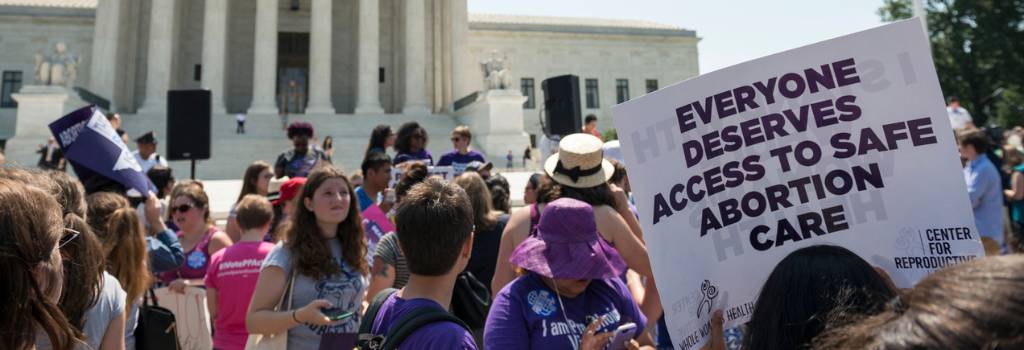
The Dangerous Hypocrisy of Anti-Abortion Rhetoric: Protecting Abortion Access as Essential Healthcare
The push to overturn Roe v Wade has been a decades-long process, largely successfully implemented in practice by states that have made it incredibly difficult for pregnant people to get the safe care they need. The “pro-life” rhetoric behind those who support banning abortions is simply false and utterly hypocritical, particularly in light of lax gun laws and disinterest in sustaining human life after birth in this country. Banning abortion is a poor health choice.
-

When Death is Difficult to Talk About: Addressing Death, Dying and Grief in the Workplace
About a month ago, I was on a coaching call with a client who shared with me that a colleague of hers had recently died. I paused our agenda and took a moment to ask her how she was doing and how her team was handling the situation. Thirty minutes later, I had learned that her company has one of the most supportive grief support processes I had ever heard of in a workplace.
-

Yet Another Day of Mourning in America: Thoughts on May 2022
As we sit here the morning after the latest news of horrific, senseless, preventable murders, this time of kids (yet again), and on the second anniversary of George Floyd’s murder, it’s hard to remain optimistic that justice will prevail. When everything you read and see is horrible, but the ‘normal’ world you physically experience day-to-day continues, how can you reconcile the two? How can you continue to function? What’s the point of it all? We’ve been reflecting a lot recently on what having control means in this world of ours.
-
Coping with Overwhelm: An Open Letter for March 2022
March is barely underway, but it has most definitely entered like a lion – any actual weather forecasts notwithstanding. As I’ve found myself doing so many times over the past few years, I’m once again checking in with you.
-

Working Through Crisis
It seems counterintuitive to be sitting in front of a screen (computer, phone, TV) while people are fighting for their existence, living on the streets with no support system, and struggling through so much uncertainty. My brilliant business partner has talked about how to support yourself and others’ mental health during our continuing crisis. I wrote a piece on setting boundaries. These are all great ways to think about crisis at work.
-
A Letter to the Inclusion Geeks Community
Dear Inclusion Geeks community, Almost a year ago, we wrote a letter to all of you sharing our thoughts on what was at that point in time a swell of protest against social injustices, sparked by the murder of George Floyd and the subsequent support around the Black Lives Matter movement. We wanted to take a moment to reflect on what’s happened since then, and share some further thoughts on where we go from here.