
-

Assessing Your Current DEI Initiatives
The events of the past year and half have prompted many organizations to make significant changes in their diversity, equity, and inclusion (‘DEI’) efforts. Remember – we initially started this conversation with how to select the right DEI facilitator, but what happens next? Once you get the proverbial ball rolling, how do you assess whether or not your DEI efforts have been successful? Before we dive in, I want to remind you that DEI work is not linear nor does it ever reach a “finish line”.
-

2022: The year of setting boundaries at work
Have you heard of the days when an employee would work for a company for 30, 40 years and retire, never having job-hopped at all? How many people do you know have stayed with a company for 10 years or more? The days are long gone for most people.
-

Celebrating Inclusively
The holiday season is well underway with many people participating in or preparing for a myriad of cultural celebrations housed in the months of December and January. And while companies already have their version of holiday parties planned and ready to go in the upcoming days, this is still a good time to consider your company’s approach to holiday celebration with an eye toward inclusivity.
-
Rethinking Thanksgiving 2021
For the past few years, we have shared some thoughts and resources on why we should rethink Thanksgiving (and how we choose to celebrate it, or not). This year, we have another opportunity to do just that: rethink what, how, and why we choose to celebrate this holiday. For many people, Thanksgiving 2021 will be the first time that they’ll have a chance to gather with family members in over a year, now that everyone has been vaccinated. For others, this is an opportunity to reclaim some sense of community and togetherness.
-
How to Write a DEI Statement
While DEI (diversity, equity, and inclusion) efforts are increasingly becoming a part of most organizations’ plan for workplace development and culture, many struggle with how to put their commitments into words. How do you articulate your dedication to… hiring a diverse workforce? Creating and maintaining safe spaces for all employees? Investing in staff development and continuous learning? Summing up something so broad can be daunting! And while it’s important to develop a solid DEI statement, it doesn’t have to be hard. So let’s get into it. What is a DEI statement, anyway?
-

The importance of investing in professional development
The first time I became a manager, I was promoted because I was good at my job. My boss was promoted, therefore I was able to move into his place based on my work performance. The second time I became a manager, our company was experiencing significant growth, so I was asked to build a team to support the influx of work. The third time I became a manager, I solved a problem early during my tenure with the company, and as the team grew, I was asked to manage people who were recently my colleagues.
-

How to Support Employees with Invisible Disabilities
What is an invisible disability? Often when many of us think of someone with a disability, we typically think of someone with a clearly visible impairment such as being in a wheelchair or needing other ambulatory devices for assistance. However, the definition of someone with a disability is much broader. Disability not only includes obvious physical disabilities but non-obvious physical, cognitive, and psychological disabilities as well.
-
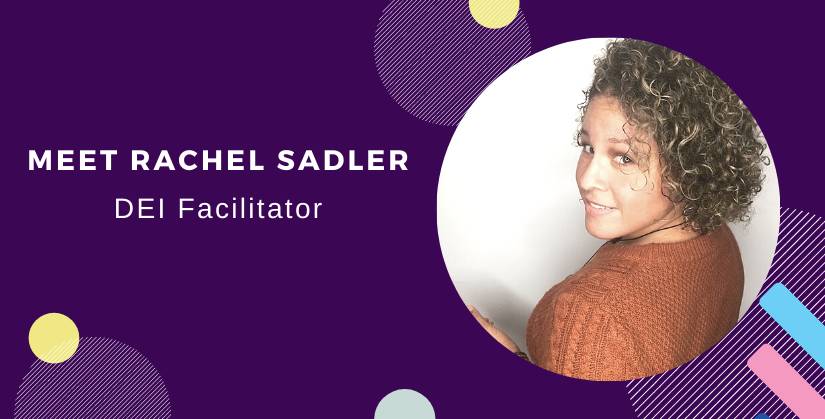
Get to Know the Inclusion Geeks Facilitators: Rachel Sadler
We’re excited to introduce you to some of the incredible DEI training facilitators that are part of the Inclusion Geeks team. We asked them to share what sparked their passion for this work, what DEI means to them, and why they do what they do. Meet Rachel Sadler, DEI Facilitator! What does DEI mean to you?DEI means ensuring that all spaces, whether academic, corporate, leisure, or otherwise, are representative of the global population. It means that all people can see themselves as integral and valuable parts of every community of which they are members.
-
Why Digital Accessibility is Critical to a Successful DEI Strategy
In honor of National Disability Employment Awareness Month, we’re thrilled to team up with Perkins Access to learn more about digital accessibility. NDEAM is held each October to commemorate the many and varied contributions of people with disabilities to America’s workplace. As noted by the U.S.
-

Five Ways to Support Your Employees Now
Many of us are experiencing a tremendous amount of emotional labor as we continue to live in uncertain times. While it may sound nice to compartmentalize the world from our work, the reality is this isn’t a realistic scenario. As colleagues, as managers, as leaders, how can we best support each other as we ask the tough questions: “How do I keep going? How can I support my team?
-

9 Must-Follow DEI TikTokers
TikTok went from the “cool-kid” app for teens to a home screen mainstay for even the “cheugy” 30-somethings over the pandemic. But as we’ve learned, it’s so much more than just weird dance challenges, prank videos, and lip syncing. We may have gotten a little too into paint-mixing videos and cheered the viral success of @420doggface208 (2020 was strange, y’all), but there are some important conversations taking place there. From disability advocacy to microaggression-busting comedy, from neurodiversity chat to Gen-Zers on a mission to inform, DEI initiatives are having a legitimate moment in a new platform.
-
Fourth of July and Voting Rights
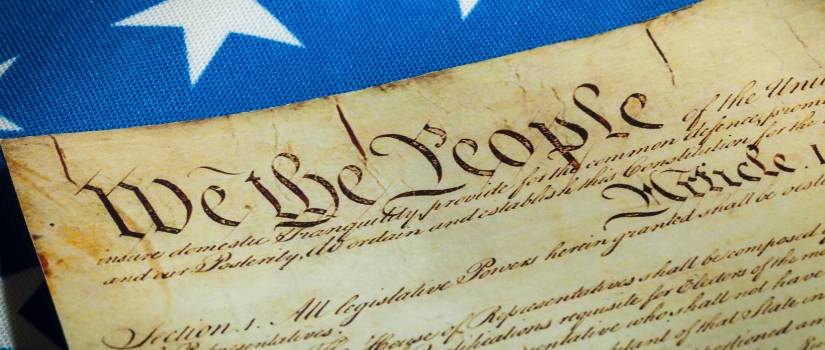
Ahh, 4th of July. The day we celebrate America. Freedom. Patriotism. And this year feels like a particularly special one as many of us are vaccinated and will be able to see and hug our friends and family for the first time in 18 months or more. It’s important to remember what this day celebrates. This is the 245th anniversary of the day that the Declaration of Independence was signed. As a refresher, the Declaration of Independence was written to grant only white men who owned property (including enslaved people) the ability to vote.