
-

Inclusion Geeks at SXSW 2019
We were honored that our panel on How Power and Privilege Show Up at Work was chosen as a Future Workplace Track session at this year’s SXSW. The conference is known as a mecca for industry experts in tech, music, film, and culture. 2019 saw a newly named Future Workplace track bringing together thought leaders to discuss forward-thinking initiatives that will positively impact work. We were thrilled to see so many sessions related to diversity and inclusion on the list. Read on for a roundup of a few of the events we took part in.
-

How do I Get My Colleagues to Care About Diversity and Inclusion?
We were recently asked a question after a senior leadership workshop from someone who is part of a diversity and inclusion task force: “my leadership is doing this work, but how do I get my colleagues to care?” We thought it was a great question! We wrote a post a while back on how to get your company to recognize you have issues. Here we’ll hone in specifically on those colleagues you interact with regularly who aren’t paying attention to diversity, equity, and inclusion. First, it’s important to note that we can’t change people who don’t want to change.
-

How to Combat Age Bias in the Workplace
In today’s workplace, we are working with the largest number of generational cohorts all together at once in the history of working. Because we’re living longer and we like having money to do things like eat and have roofs over our heads, the average employee works way past the traditional (historical) retirement age of 65. In fact, by 2024, about 25% of the workforce is projected to be over the age of 55, which is double what it was in 1994.
-
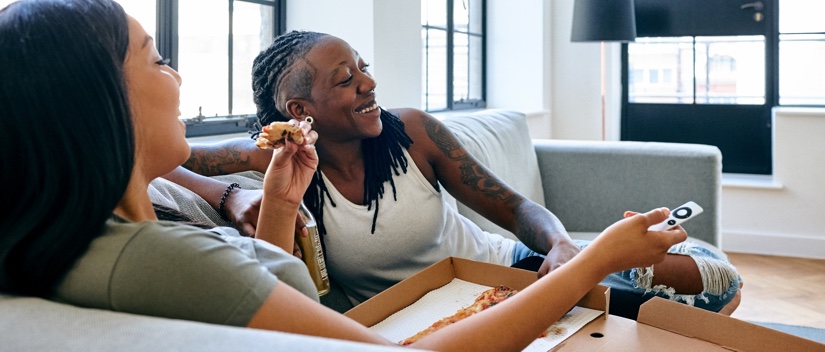
Nine Recent TV Shows and Movies That Pass the Bechdel Test
The Bechdel test is named after Alison Bechdel who introduced the concept as part of her Dykes to Watch Out For comic series in 1985, but she attributes it to her friend Liz Wallace, who attributed it to Virginia Woolf. Here’s how the test works – a piece of fiction has to satisfy three requirements: It has to have at least two women in it who talk to each other, about something other than a man That’s it.
-

Diversity, Equity, and Inclusion Books We’re Reading
This year we’re focusing not on New Year’s resolutions, but some goals and themes for 2019. One of those goals is to catch up on our reading. If you are a subscriber to our DEI newsletter, you’re probably aware that there is no dearth of news and articles coming out daily that relate to diversity, equity, and inclusion (‘DEI’) in the workplace. In addition to current affairs and newly released research, we also have a fairly hefty, ever-expanding list of books pertaining to DEI.
-
2018 By and Beyond the Numbers, Plus a Look Ahead
2018… we made it. Whew! First, we want to thank you for being a part of the Inclusion Geeks community. Even if you haven’t been to an event or participated in a workshop yet, we know that you’re here for a reason, and that’s to make a positive difference in the world, fight for a more equal and just world, and support women and nonbinary people in tech and beyond. In 2018, we made a very important change to our name.
-
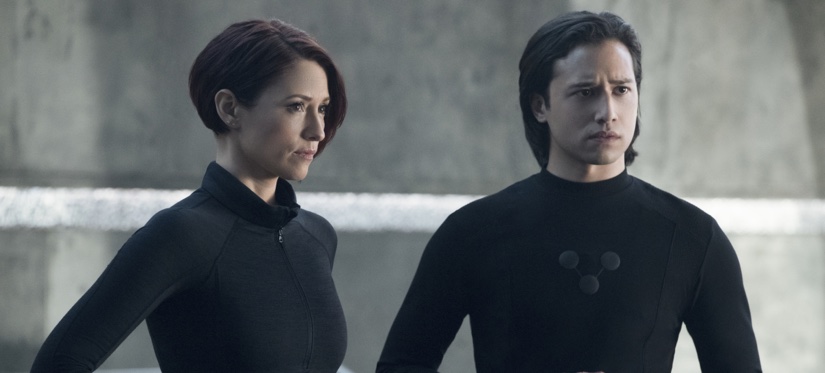
Superhero Series: Empathy, Active Listening, and The Platinum Rule
Supergirl continues to be a treasure trove of lessons on inclusion in the workplace. In the same episode referred to in Part One of this series, Supergirl’s sister Alex is the new Director of the Department of Extranormal Operations (‘DEO’) and she’s managing a new employee, Braniac 5. This new employee is not only an alien (extranormal), but has replaced an incredibly good friend, Winn, with whom she was very close (saved lives multiple times with, provided emotional support, you know, the normal TV show hero stuff). Like Winn, Braniac is brilliant and kind, always willing and very able to…
-

Superhero Series: What It Means to Cover or Pass at Work
In part two of our Superhero Series, let’s examine the concepts of covering and passing. These two concepts come into play frequently in the land of superheroes, but have particularly important meaning when it comes to certain superhero stories. X-Men is probably best known for exploring these complexities. X-Men (the recent movie versions) is about many things, but one key aspect to the story is how mutants have to hide their abilities from ‘regular’ humans for fear of persecution. Mutants are humans who display no abilities at birth, and then have powers appear around the time of puberty.
-
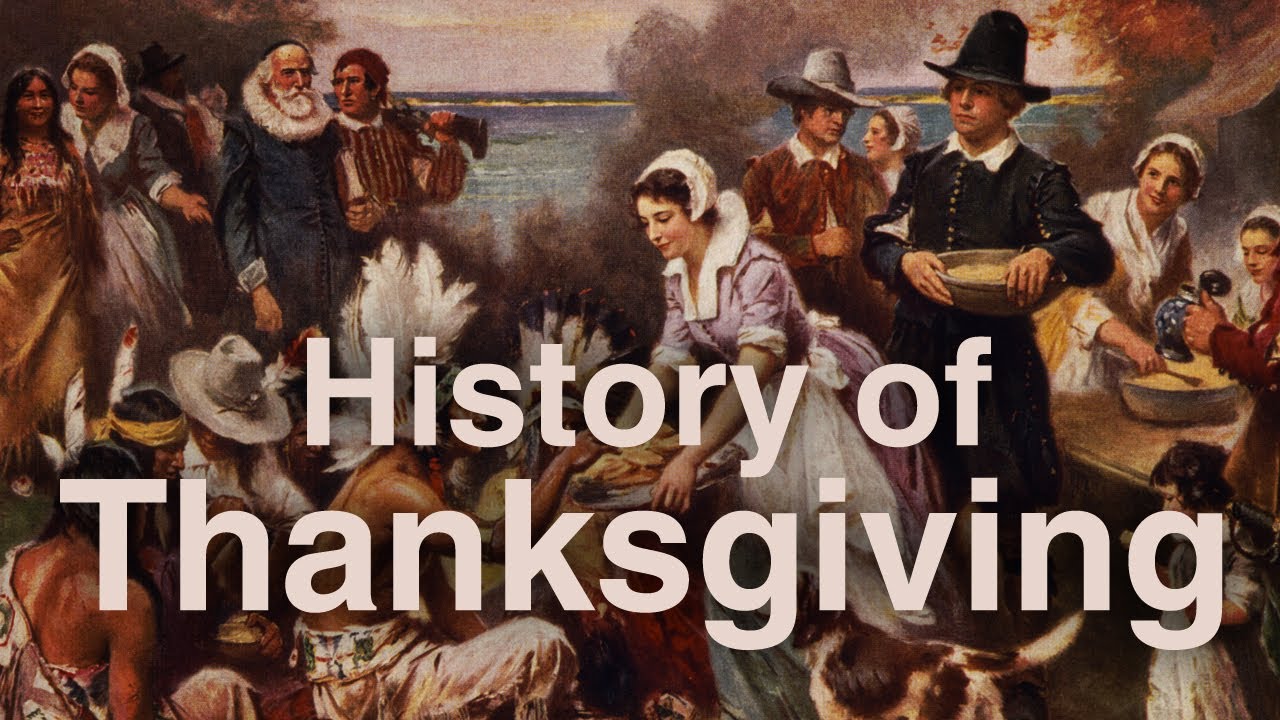
Rethinking Thanksgiving
While for many people Thanksgiving is simply a time of food, family, and friends, we think it’s important to remember the true story of Thanksgiving. While many of us think about this day as a way to commemorate a positive relationship between the Pilgrims and Native Americans in the 1600s, the reality is significantly different. We’ve put together a few resources to help you learn more about the history behind this day and rethink the ways that you choose to commemorate it going forward.
-

Women in the Workplace 2018 Report – there’s a lot of work to do
For the last four years, McKinsey and Lean In have published in-depth reports on the state of women in the workplace. Their 2018 report, released this October, was clear – the needle has barely moved since they started conducting surveys with thousands of employees at hundreds of companies, despite significantly more attention being placed on issues of gender in the workplace. The report concludes by indicating that companies say they want to make change, but aren’t actually doing the work to make it happen. The authors outline several steps to make change happen.
-
Superhero Series: How Privilege Shows Up at Work
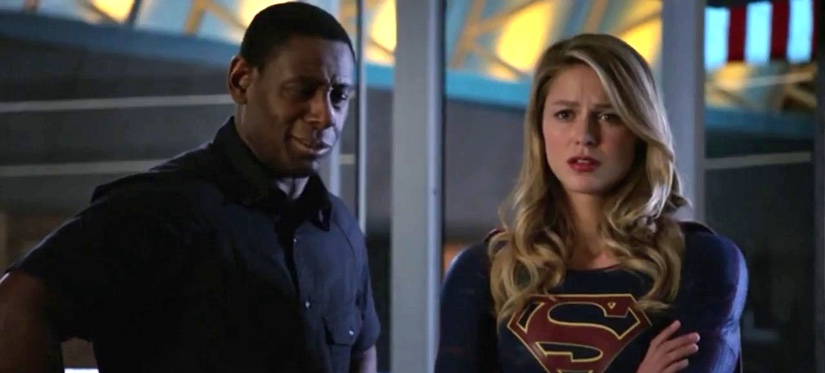
I’m just going to admit this right up front. I watch a lot of movies and TV shows that involve superheroes – yes, that includes all the Avengers movies, X-Men, The Flash, and, most recently Supergirl. Last week was the season premiere of Supergirl. They aren’t shy about diving into issues around race, sexuality, and gender… but this last episode tackles one issue that I want to specifically address and that’s how privilege affects us all, including in the workplace.
-
Feminist Books for Kids!
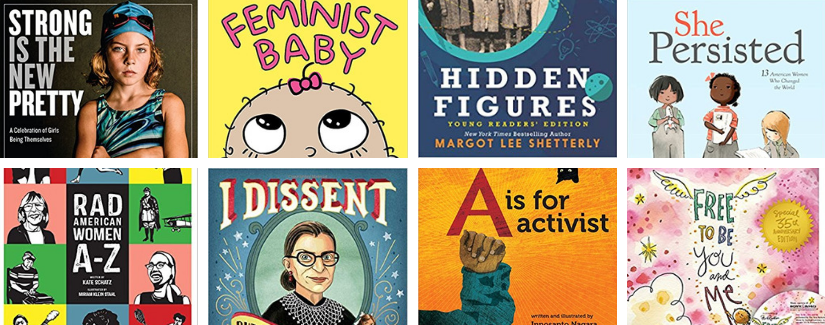
Looking for a way to introduce your child to issues of social awareness– but not quite sure how to do it in a way that’s age appropriate? Have no fear! We’ve rounded up a bunch of feminist children’s books to help you start the journey to raising a strong, feminist, patriarchy-smashing adult, whether your child is a girl or a boy or anything else on the gender spectrum. Feminist Baby – Loryn Brantz Some people may be familiar with Loryn Brantz because of her popular comics on Buzzfeed.