
-
Webinar Recap: Understanding Cultural Differences at Work
Our November session brought together a thoughtful group ready to dig into how cultural differences shape our workplace experiences. Felicia talked through the many ways background, identity, upbringing, and social norms influence how we communicate, interpret information, give feedback, handle conflict, and define what “professionalism” looks like. We explored why misunderstandings happen even when intentions are aligned, and how cross-cultural awareness helps teams move from assumption to clarity. We reflected on our own experiences as a group, everything from differing comfort levels with mental health conversations to clashing approaches to work-life boundaries, and how these differences show up in day-to-day…
-

What 1400 Women Tell Us About Meaningful Work and the Future of Organizations
When 90% of women report feeling depleted at least some of the time, and rate their overall wellbeing at 6.6 out of 10 (not terrible, but certainly not thriving) we’re looking at more than individual burnout. We’re seeing a systemic signal about how work is working (or not working) for women right now.
-
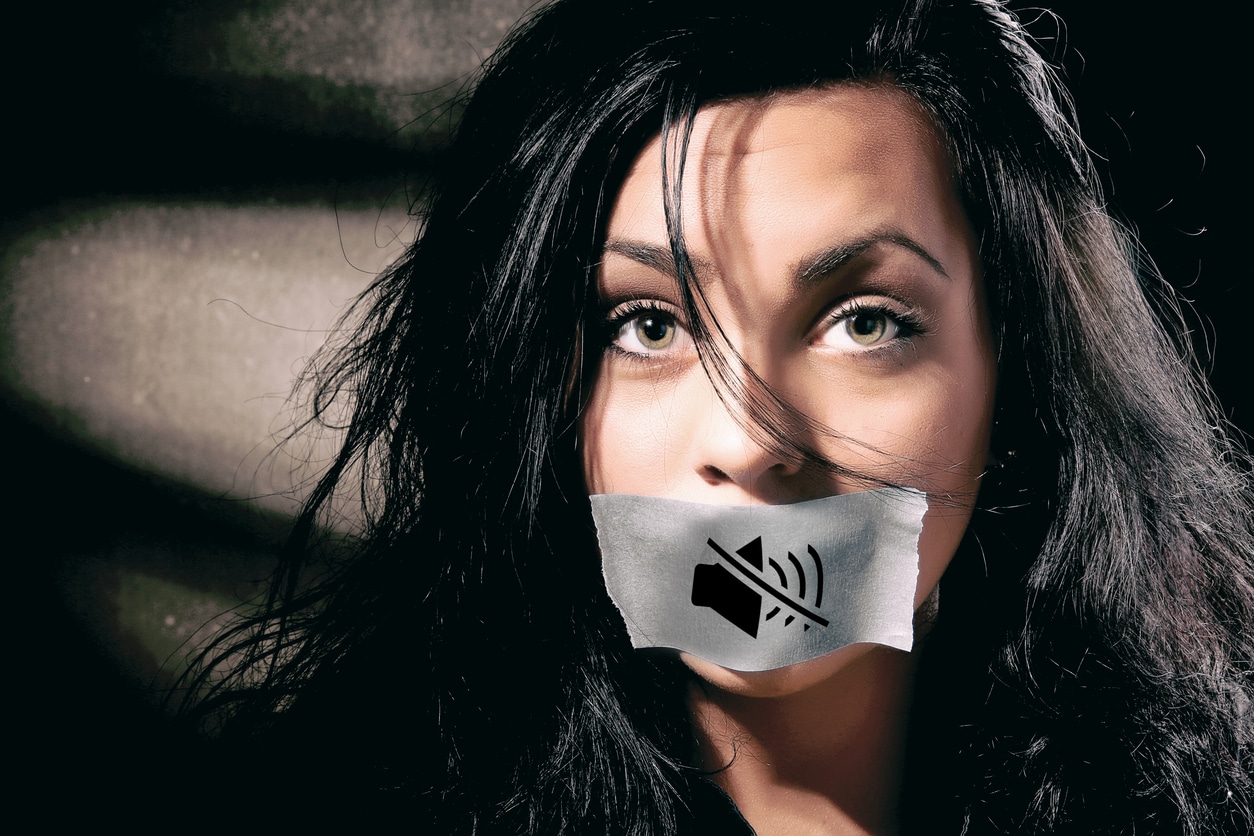
The Unexpected Consequence of Workplace ‘Civility’
Something interesting is happening in American workplaces. On social media and in discussion forums outside of the workforce, the culture wars rage on. Turn on right-wing media and you’ll find endless outrage about DEI, pronouns, “woke corporations,” and identity politics. But inside most workplaces, there’s a desire to “keep politics out of the workplace” and to be “civil.” While workplaces have gone quiet on culture war issues, workers are tired. Economic uncertainty, burnout, trauma from massive layoffs, and growing awareness of wealth inequality may be breeding a different kind of conversation at work.
-
How to Turn Workplace Empathy Into Results
Have you ever been in a meeting where leadership sits in a circle of chairs (or on a video), nodding solemnly as employees share stories of pay inequity, microaggressions, or burnout? The CEO tears up while someone takes notes. At the end, leadership says “This has been so valuable. We really hear you.” Then nothing changes. Welcome to the empathy trap, where understanding becomes a performance, compassion gets confused with action, and “listening” becomes an organizational end goal rather than a starting point. We’re Stuck in Empathy Theater While 87% of U.S.
-
Webinar Recap: Navigating Change with Empathy and Inclusion
Change isn’t slowing down and neither are the emotions that come with it. In our latest Inclusion Geeks webinar, Navigating Change with Empathy and Inclusion, Felicia Jadczak explored how organizations can lead with care, not chaos. She reminded us that while most change models focus on process, real transformation happens when people feel seen, informed, and supported.
-

How to Audit Your AI Tools for Accessibility
Your team just rolled out a shiny new AI tool. It transcribes meetings in real-time, summarizes action items, and promises to boost productivity by 40%. Leadership is thrilled, the tech team is celebrating, and somewhere in your organization, someone with a speech difference just realized they’ve been rendered invisible. This is the AI accessibility gap, and it’s wider than most organizations realize. The Problem With “AI Ethics” as an Afterthought Here’s what’s happening in most organizations right now: someone gets excited about an AI feature or tool. It promises greater efficiency, insights, and competitive advantage.
-

Why Women Are Leaving the Workforce, And What We Can Do About It
After years of progress, and plenty of hard-won lessons from the pandemic, women, especially mothers of young children, are leaving the workforce in alarming numbers. The data and the stories are very real, and the consequences ripple far beyond individual families. Let’s dig into what’s really happening and what organizations can do right now to interrupt this trend before it becomes a further crisis of equity, talent, and trust.
-

Why Feeling Seen at Work Makes Change Easier
The pace of change at work continues to speed up. Strategies are shifting, teams are restructuring, technologies are evolving, and policies are changing. Just when you think you’ve adjusted to the new shift, another curveball comes flying in. During times of change, it’s important to remember to ask ourselves: how are our teams, our colleagues, and our customers, experiencing this moment, beyond just our own experience? Inclusion Is Key to Successful Change We often hear that employees need to be “resilient” during times of change, but resilience doesn’t come from nowhere.
-

What If We’re Not as Divided as We Think We Are?
Many people are feeling stuck at work these days. Burned out, misunderstood, and disconnected from leadership. Many are unsure what they’re even working toward. If you’re feeling like something isn’t working, you’re not alone. It’s showing up across industries, job titles, and teams. Some folks feel silenced. Others feel like they’re constantly on edge. Trust is down, and tension is up. And even well-intended conversations about fairness or inclusion can spark frustration, defensiveness, or just plain confusion. We’ve been told we’re on opposite sides.
-

How to Be an Emotional Ally at Work
When we think about creating healthier, more connected workplaces, we often focus on systems, policies, and procedures. But alongside all of that, there’s a human layer—how we treat each other day to day. Emotional allyship lives in that layer. It’s about how we show up for others with care, curiosity, and presence. Emotional allyship means offering support when someone is struggling, being present when things get hard, and holding space without trying to fix or minimize what someone is going through. It’s a subtle, yet powerful way to help create a culture where people feel respected, supported, and seen.
-
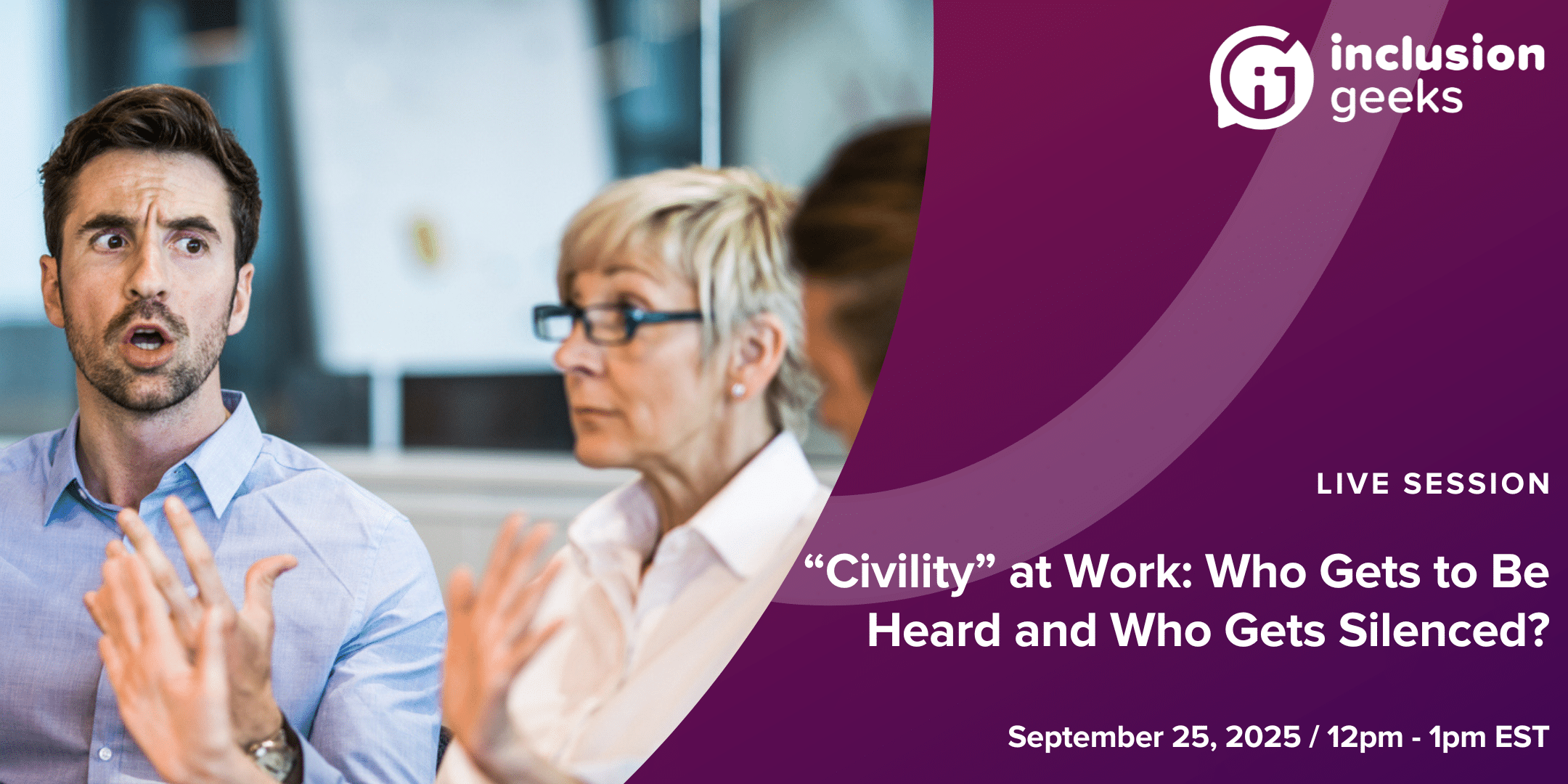
Webinar Recap: Civility at Work — Who Gets Heard & Who Gets Silenced
Civility is a word we all like to lean into. It evokes respect, politeness, “good behavior.” But as we explored in our latest Inclusion Geeks webinar, Civility at Work: Who Gets Heard and Who Gets Silenced, civility is more complicated than it seems. This webinar peeled back the layers of civility to ask: Who shapes its definition? Who benefits from it, and who gets left out? And perhaps most importantly: how do we reclaim civility so it promotes equity instead of silence? What We Explored Traditional civility isn’t neutral.
-

How to Get Ready for the Future of Work
The future of work is now, and it feels like everything is shifting at once. AI might be getting the most headlines, but it’s just one piece of a much bigger transformation happening across how we work, where we work, who gets to participate, and what we value in the workplace. AI is reshaping how we work and who does the work. We’re in the early stages of figuring out what tasks humans should continue to own, what should be delegated to machines, and what gets lost in the process.