
-

The Backlash Against Women’s Rights: A Timeline of Systemic Erosion
On International Women’s Day, we’re called to “accelerate action” for gender equality. But in reality, we’re witnessing an escalating rollback of rights, representation, and recognition. From the reversal of Roe v. Wade to tech giants quietly erasing cultural observances like Black History Month, Pride Month, and Women’s History Month from their calendars, the message is clear: progress is under attack. This isn’t happening in isolation; it’s part of a deliberate backlash against movements like #MeToo and the push for greater equity.
-

Creating a Culture of Inclusion and Belonging Without a Big Budget
When people feel a genuine sense of belonging at work, they are more engaged, productive, and willing to contribute their ideas. Every team member plays a crucial role and building this kind of workplace culture is critical for success. The challenge is many leaders believe that creating an inclusive and welcoming environment requires a significant financial investment. The truth is that a strong culture of belonging isn’t about money; it’s about intention, leadership, and everyday actions that reinforce a commitment to inclusion. Lead with Intentionality Inclusion starts at the top.
-

Understanding Psychological Safety in the Workplace
Imagine walking into a meeting with an idea that you believe could make a real impact. Do you share it? Or do you hold back, worried that your colleagues or boss might dismiss it or, worse, ridicule you? This hesitation is the difference between a workplace with psychological safety and one without it. When people feel psychologically safe, they bring their full selves to work, take smart risks, and collaborate without fear of embarrassment or retribution. And yet, many workplaces still fail to cultivate this essential foundation for trust, innovation, and productivity.
-

How Employee Resource Groups Address Workplace Gaps Without Playing Favorites
Most of us are familiar with the idea of “networking,” but not all networks function the same way. Some are informal, built through casual interactions, shared interests, and social circles. Others are formal and structured to provide connection and support in a more intentional way. The difference between these two can define the trajectory of a person’s career—and historically, the informal networks have favored one group far more than others.
-

Strategies for Upholding Workplace Inclusion During Trump’s Term
The landscape of workplace diversity, equity, and inclusion (DEI) is shifting rapidly, and that can feel unnerving. With new policies, legal challenges, and social pushback, companies committed to fairness, meritocracy, respect, and civility are facing tough questions: How do we move forward when the environment feels hostile? How do we support employees who are worried about the future of this work? And how do we ensure that leadership remains engaged in inclusion efforts when the business case has never been clearer? The reality is that DEI isn’t dead, it’s evolving.
-

Five Strategies for Addressing Toxic Behavior in the Workplace
Toxic behavior corrodes trust, stifles innovation, and breaks down the very foundation of a successful workplace. It shows up in unchecked behaviors, in cultures that value outcomes over people, and in power dynamics that silence or exclude. Addressing it is a huge leadership challenge, and we’d argue that we have a moral obligation to create an environment where everyone can contribute and succeed without harm. Here are five strategies to tackle toxic behavior head-on, with examples of how it can manifest and how we can all work toward change. 1. Set the standard for behavior Toxicity flourishes in ambiguity.
-

What Mark Zuckerberg Gets Wrong About Masculine Energy in the Workplace
Mark Zuckerberg’s recent comments on Joe Rogan’s podcast that “a lot of the corporate world is pretty culturally neutered” and could benefit from more “masculine energy” sparked a conversation that feels straight out of a dystopian satire. This notion of injecting more masculinity into leadership isn’t just eyebrow-raising—it’s a glaring reminder of how skewed our perspectives on power in leadership have been for, well, forever—and felt more strongly as of late. Let’s unpack this wild idea and ask the obvious: Did we ever come close to experiencing “feminine energy” in leadership, especially when most CEOs and leaders are white men?
-
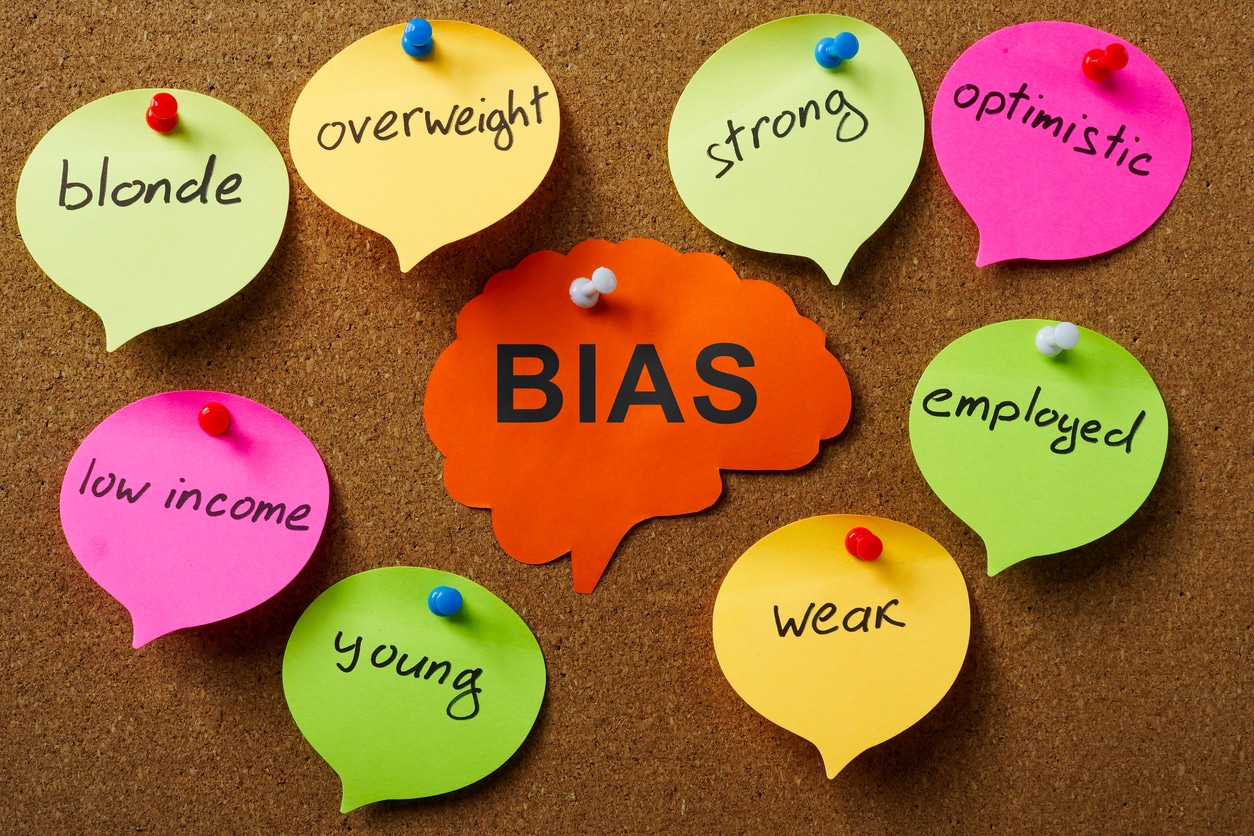
How to Recognize and Mitigate Bias at Work
Bias is a subtle but powerful force shaping how decisions are made, relationships are formed, and opportunities are distributed in the workplace. It often operates beneath the surface of our awareness, influencing actions in ways that can undermine fairness and inclusivity. Tackling bias doesn’t require sweeping overhauls or complicated systems—it starts with understanding what bias is and cultivating a mindset of curiosity and action to interrupt it in real time. What Is Bias and Why Should We Care? Bias, at its core, is a preference or inclination that affects judgment.
-
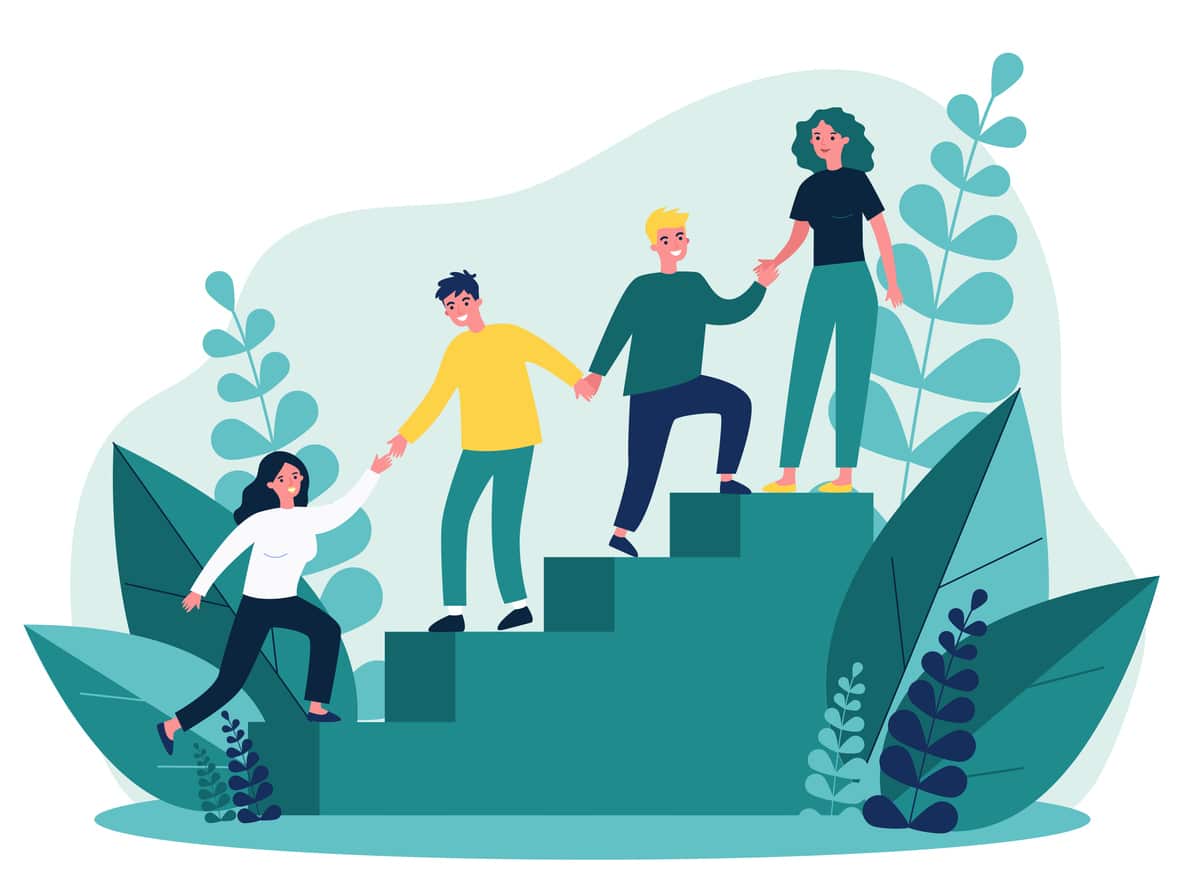
Seven Actions Employees Can Take Through DEI Shifts
The reversal of diversity, equity, and inclusion (DEI) efforts in some organizations has evoked a range of emotions—frustration, relief, confusion, and everything in between. For many employees, it’s disheartening to see progress stall. Yet, for others, particularly those who felt sidelined during the rise of DEI initiatives, this shift may come as a source of validation or even excitement. This dynamic underscores an essential truth: Power dynamics in the workplace are never static. Over the past few years, employees with marginalized identities experienced some degree of power as their perspectives were centered and inequities were addressed.
-

Why Soft Skills Matter in the Workplace
Soft skills are often misunderstood. The term “soft” suggests they’re secondary or easier to acquire than technical, “hard” skills. But anyone who has navigated a complex team dynamic, mediated a conflict, or guided a group through change knows the opposite is often true: soft skills are among the hardest to develop. Their importance, however, cannot be overstated. As workplaces grow more collaborative and complex, the demand for these skills is higher than ever. Yet, many organizations struggle to integrate soft skills into their cultures effectively. What Are Soft Skills and Why Are They Important?
-

Addressing Conflict at Work with Clarity and Care
Conflict at work is inevitable. Whenever people with unique perspectives and differing experiences collaborate, tensions can arise. The goal isn’t to avoid conflict, it’s to navigate it effectively. Healthy conflict can lead to innovation, stronger relationships, and better decision-making. The key is creating a culture where disagreements are seen not as threats, but as opportunities to grow together. In this post, we’ll explore how to address workplace conflict through an inclusive lens, offering real-world scenarios and actionable strategies for leaders and teams. Why Conflict Happens at Work Conflict typically arises when people’s values, priorities, or communication styles clash.
-
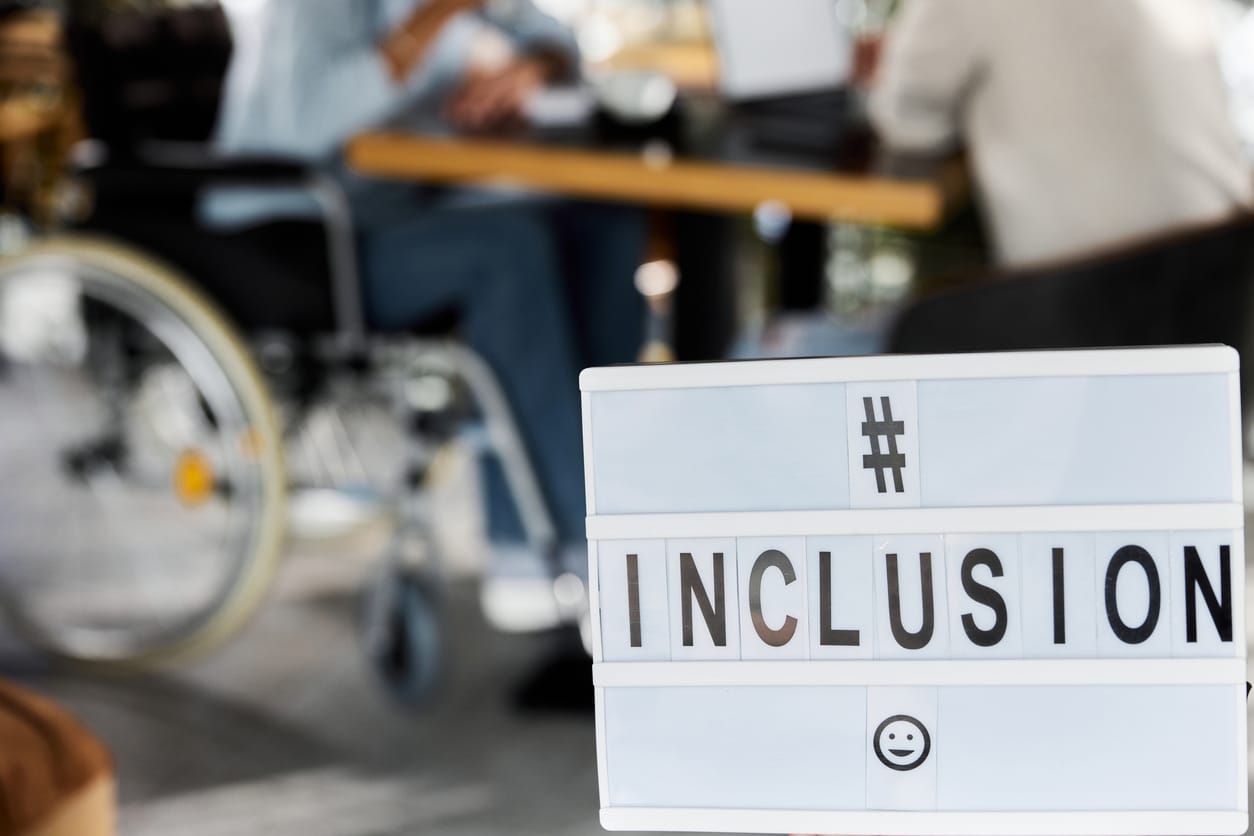
What Inclusion in the Workplace Really Means
Inclusion is the intentional effort to create and transform workplaces into spaces where everyone—regardless of their background, role, or perspective—feels like they have a place and a voice. A truly inclusive work environment encourages everyone to contribute meaningfully and supports a culture where everyone feels respected, where people feel heard, valued, and empowered to show up without fear of judgment or discrimination, and where people can express their ideas, engage in dialogue, knowing that their perspectives matter.